I. Overall Situation
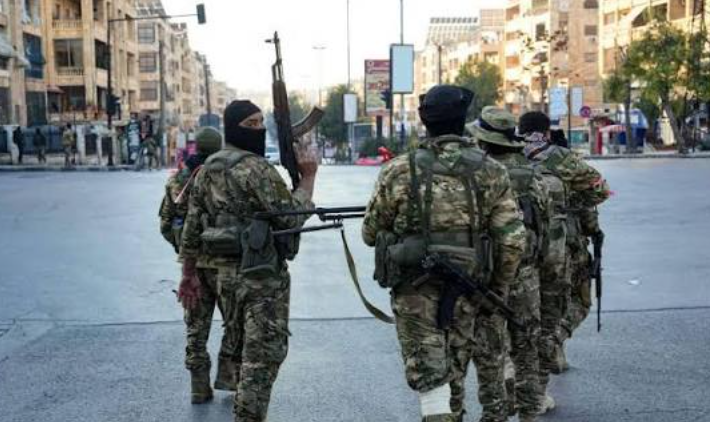
Anti-Taliban armed activities have expanded geographically but have not yet developed into a nationwide military challenge. In early October 2026, Afghanistan’s security situation was shaped primarily by three factors: anti-Taliban armed activities, the threat posed by the Islamic State Khorasan Province (ISKP), and cross-border clashes between Afghanistan and Pakistan. On October 8, The Asia Times published an article noting that the geographic reach and organizational composition of anti-Taliban armed groups had expanded. According to the United Nations Secretary-General’s September 2026 report, anti-Taliban armed groups claimed 88 attacks across 21 provinces between May 1 and July 31, of which 55 were verified by the United Nations. These figures indicate that opposition activities have spread across multiple regions. However, the United Nations has not assessed these activities as posing a significant threat to the Taliban’s territorial control.
II. Anti-Taliban Armed Groups
Multiple groups operate concurrently, with localized attacks remaining the primary form of activity. The main anti-Taliban armed groups currently include the National Resistance Front of Afghanistan (NRF), the Afghanistan Freedom Front (AFF), and the Afghanistan United Front (AUF), among others. The NRF and AFF operate primarily in northern and northeastern Afghanistan, while the AUF has claimed operations in southern provinces such as Helmand and Kandahar. On October 8, Taliban police released a video stating that four detained individuals were affiliated with the NRF and had allegedly been involved in planning an attack against the United Nations Assistance Mission in Afghanistan (UNAMA). However, the circumstances under which the individuals made their statements remain unclear, and the allegations require independent verification. Overall, opposition groups differ in their leadership structures, political objectives, and military capabilities, and they have yet to establish a unified nationwide command structure.
III. The ISKP Threat
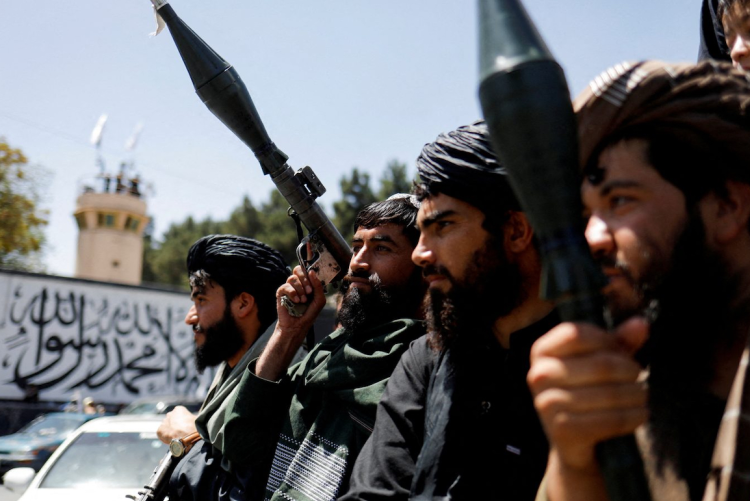
Terrorist activities must be distinguished from political resistance to the Taliban. The ISKP adheres to a transnational extremist ideology, and its operational objectives differ from those of political opposition groups such as the NRF and AFF. Although the Taliban continues to conduct counterterrorism operations, regional security research institutions still regard the ISKP as a major security threat in Afghanistan. Its potential targets include Taliban security personnel, religious minorities, and foreign nationals. Local grievances and security pressures in parts of northern and western Afghanistan may also create opportunities for the organization to exploit. Assessments of ISKP activity should take into account organizational statements, on-the-ground evidence, and independent reporting. Not all attacks against the Taliban should be attributed to the same organization.
IV. Cross-Border Security
Mutual accusations between Afghanistan and Pakistan are increasing regional uncertainty. On October 5, Russia hosted regional consultations on Afghanistan in Moscow, attended by representatives from China, Pakistan, Iran, India, and Central Asian countries. Afghanistan and Pakistan continue to disagree over cross-border attacks and the activities of armed groups. On October 9, Pakistan denied having any links to the ISKP and accused the Taliban of failing to effectively address armed groups that Pakistan alleges operate from Afghan territory. The Taliban, meanwhile, emphasized the importance of resolving bilateral issues through diplomatic channels. Links between armed groups and state actors remain disputed, and official accusations alone are insufficient to establish such connections as fact. If diplomatic communication continues to encounter obstacles, border military operations, restrictions on population movements, and localized security pressures could intensify further.
V. Risk Assessment
Priority should be given to monitoring localized conflicts, terrorist attacks, and the protection of Chinese overseas interests. In the short term, Afghanistan’s security risks are more likely to take the form of scattered attacks across multiple locations, escalating local disputes, and recurring cross-border tensions than a rapid nationwide takeover by anti-Taliban armed groups. Badakhshan, Herat, and Baghlan warrant continued monitoring. The governance of mineral resources, the distribution of local power, and relations between central and local authorities may all affect stability in these areas.
Chinese companies and personnel should pay particular attention to the potential threat of ISKP attacks against foreign nationals, security conditions around mining and infrastructure projects, disruptions to cross-border transportation, and sudden counterterrorism operations. Overall, the Taliban continues to maintain relatively strong nationwide control. Nevertheless, tensions arising from local governance, the activities of armed opposition groups, and strained Afghanistan–Pakistan relations remain persistent sources of security pressure. Going forward, monitoring should focus on specific attack incidents, statements issued by armed groups, and independently verified information. Unverified casualty figures and allegations of external support should not be treated as established facts.