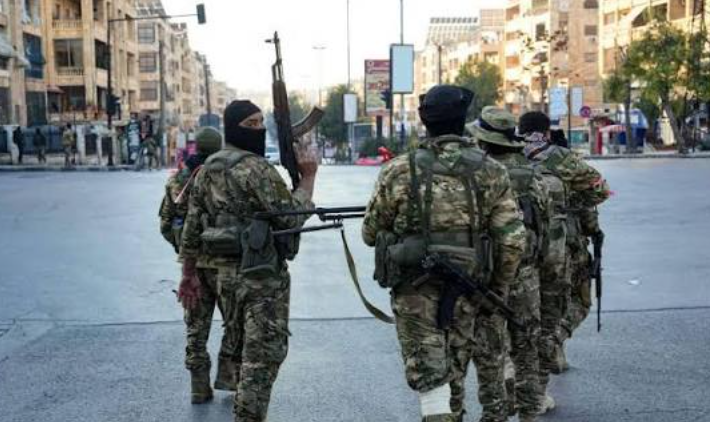
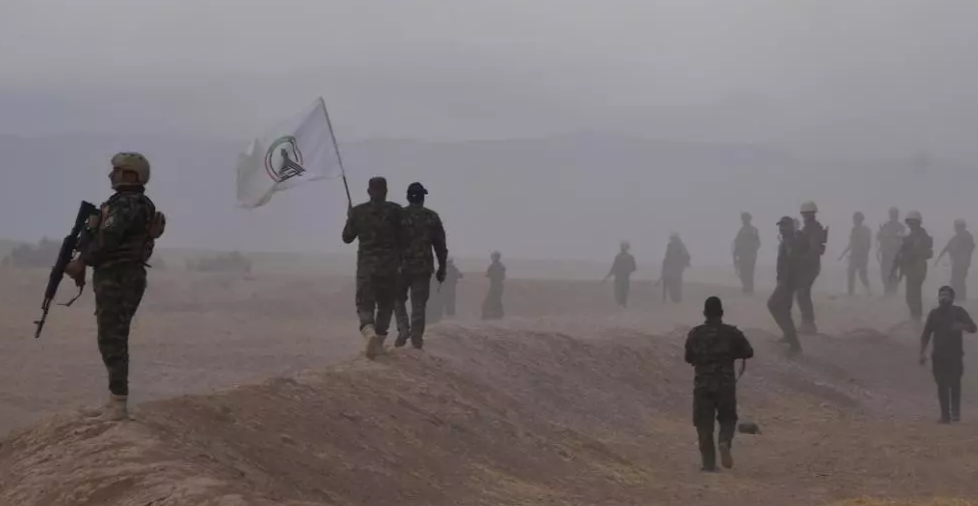
In October 2026, Syria’s security situation is characterized by the transitional government’s efforts to expand its control, the continued integration of local armed groups, the persistent threat posed by extremist organizations, and sustained external military pressure. Since the fall of Bashar al-Assad’s regime in December 2024, the transitional government led by Ahmed al-Sharaa has continued to rebuild state institutions and integrate military forces. In January 2026, government forces clashed with the Kurdish-led Syrian Democratic Forces (SDF), after which the two sides reached a new integration agreement. The government has gradually assumed control of certain strategic areas, oil fields, and related facilities in northeastern Syria. By mid-2026, the transitional government had established control over most of the country. However, disputes over territorial control persisted in parts of Suwayda Province, certain Kurdish-populated areas in the northeast, and areas in the south under Israeli control. Relevant research by the UK House of Commons Library and the European Union Agency for Asylum has highlighted the unification of armed forces, the integration of local governance, and the protection of minority rights as major challenges facing Syria’s political transition.
The Syrian Democratic Forces (SDF) and the local governance system they lead in northeastern Syria remain important factors affecting the country’s military integration. Following clashes between government forces and the SDF in January 2026, the two sides reached a phased integration agreement covering the incorporation of military forces into the national system, the transfer of strategic resources, and adjustments to local administrative institutions. In August, SDF commander Mazloum Abdi stated that progress had been made in integrating military, security, and administrative institutions. Nevertheless, disputes persisted over the constitutional rights of Kurdish communities, Kurdish-language education, and local autonomy arrangements. Recent protests in northeastern Syria over rising fuel prices, Kurdish-language education policies, and the killings of former armed-group members indicate that military agreements do not necessarily resolve underlying social tensions. If the central government fails to adequately address local representation, resource allocation, and minority rights during the integration process, localized protests could escalate into security incidents, potentially disrupting oil and gas production and transportation in northeastern Syria.
The Islamic State (IS) remains a significant non-state armed threat in Syria. Unlike armed groups seeking local autonomy or participation in political power-sharing arrangements, IS relies primarily on dispersed underground networks and small-scale operations to maintain its presence. The Armed Conflict Location & Event Data Project (ACLED) has reported that IS activity in Syria declined significantly during the first seven months of 2026 compared with 2025. However, the group is still estimated to have approximately 2,500–3,000 fighters and has increasingly focused on attacking government security forces, religious minorities, and symbolically significant targets. On October 8, the Associated Press reported that Iraq had rejected a Syrian request to transfer approximately 4,000 Syrian nationals suspected of belonging to IS. These individuals had previously been transferred to Iraqi custody following changes in the security situation in northeastern Syria. The handling of detainees, the management of detention facilities, and the verification of detainees’ identities remain major challenges for cross-border counterterrorism cooperation. Overall, IS has limited capacity to regain control over large territories in the short term, but the risk that it could exploit security gaps to conduct raids, bombings, and infiltration operations should not be underestimated.
Suwayda Province in southern Syria remains a key area where the central government has struggled to fully restore its authority. Local Druze armed groups retain considerable autonomy and have reservations about being incorporated into the central security apparatus. Clashes between government forces and Druze armed groups resumed in late August and early September 2026. The disputes involved local security arrangements, political representation, detainees, and relations between different communities. Meanwhile, Israel has continued military operations in southern areas, including Quneitra and Daraa, while maintaining a military presence in parts of Syrian territory. Relevant United Nations reports have noted that Israeli military actions and territorial control continue to place pressure on Syrian sovereignty and the country’s political transition. In early October, an armed attack on a bus carrying company employees in Homs Province in western Syria reportedly killed at least seven people and injured four others. At the time of reporting, the motive for the attack remained unclear, and no organization had claimed responsibility. These developments demonstrate that Syria’s security threats extend beyond organized armed conflict to include violence arising from communal tensions, attacks by unidentified gunmen, and the wider repercussions of external military operations.
Overall, armed-group activity in Syria in October 2026 can be characterized by a combination of the central government’s relative predominance, incomplete integration of local armed groups, continued extremist activity, and persistent external military pressure. In the short term, the transitional government is unlikely to face a nationwide military challenge of sufficient scale to threaten its overall position. However, disputes over integration in the northeast, tensions between the government and Druze armed groups in the south, IS underground networks, and Israeli military operations in southern Syria could continue to trigger localized clashes and sudden attacks. Chinese companies and personnel should pay particular attention to armed-group activity near oil and gas facilities, mining operations, transportation routes, and infrastructure projects. Precautions should be taken against temporary road closures, kidnappings, bombings, and travel disruptions caused by security operations. At the same time, monitoring should focus on the progress of local armed-group integration, IS claims of responsibility, and independently verified incident reports. Unverified claims regarding organizational responsibility or external backing should not be treated as established facts. Syria’s future security trajectory will depend to a considerable extent on whether the government can establish unified, professional, and effectively accountable security forces while addressing tensions between communities through political dialogue and improved local governance.