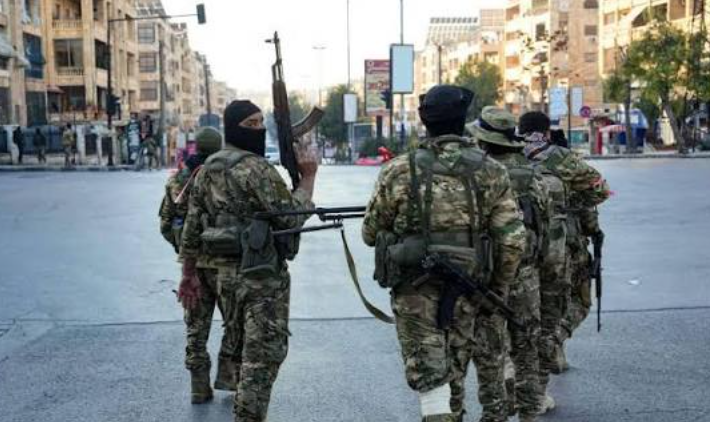
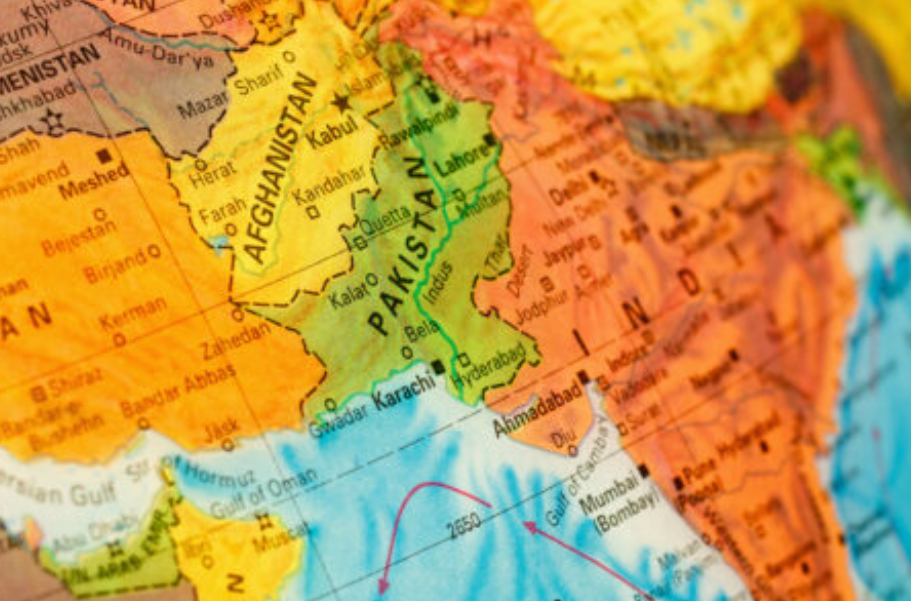
In September 2026, Pakistan's overall security situation deteriorated significantly, compounded by mounting pressures across political, economic, and regional fronts. There was a sharp rise in armed violence, with 225 attacks recorded nationwide—a 13.1% increase from the 199 incidents in August. The death toll rose by 64%, climbing from 158 to 259, while the number of injured individuals increased by 33.7% to reach 242. Balochistan remained the primary hotspot for violence, accounting for 131 attacks—or 58.2% of the national total—while Khyber Pakhtunkhwa saw a marked upward trend in violent incidents. In contrast, the number of attacks in the former Federally Administered Tribal Areas (FATA) declined.
Security forces maintained a high operational tempo, conducting 74 counter-terrorism operations that resulted in the deaths of 280 militants. Of these, 35 operations in Balochistan killed 171 militants, while 15 operations in the former FATA region resulted in 19 militant fatalities. These figures indicate that sustained government pressure remains effective, yet they also suggest that counter-terrorism operations have not yet succeeded in fully curbing the operational capabilities of armed groups.
The Tehrik-i-Taliban Pakistan (TTP) and its affiliated groups were primarily active in Khyber Pakhtunkhwa and along the Pakistan-Afghanistan border, targeting police, checkpoints, security forces, and government facilities. On September 26, a suicide bombing at a police checkpoint in the Dera Ismail Khan district of Khyber Pakhtunkhwa killed at least 12 people and injured 30, with casualties including both security personnel and civilians. Reports linked the attack to the TTP, though no group immediately claimed responsibility. On September 28, a shooting incident targeting a traffic police vehicle in the Tank district resulted in the deaths of three police officers and injuries to three others. These successive attacks demonstrate that the threat posed by the TTP extends beyond military installations to impact local law enforcement and public safety systems. Balochistan has long experienced separatist militant activity, with relevant groups primarily targeting security forces, government institutions, and transport infrastructure. On September 1, a customs facility in the Pishin district of Balochistan was attacked; Pakistani authorities reported a firefight between security personnel and militants that resulted in casualties. An Al Jazeera analysis from September 9 noted an increase in attacks since June 2026 in Pashtun-majority areas of Balochistan—regions that previously saw relatively few such incidents—with both the TTP and Baloch militant groups active there. The overlap of different groups in terms of geography and tactics has complicated the local security landscape, though available public evidence is insufficient to confirm the existence of a stable joint operational mechanism among these groups.
In late September, military and diplomatic tensions between Pakistan and the Afghan Taliban authorities intensified. Reuters reported on September 24 that Pakistan conducted airstrikes on multiple locations within Afghanistan, stating the targets were linked to drone attacks against Pakistan; conversely, Afghan authorities claimed the strikes caused civilian casualties. The two sides hold starkly different views regarding the targets, attribution of responsibility, and the activities of militant groups. Pakistan has long accused the Afghan Taliban of failing to prevent the TTP from utilizing networks within Afghanistan to conduct operations, allegations the Afghan side denies. Cross-border strikes and mutual recriminations threaten to further undermine security and stability in border regions and increase the risk of armed conflict spilling over.
Overall, the security situation in Pakistan in September 2026 exhibited three noteworthy trends: first, militant attacks spread from traditional conflict zones to a wider area, with rising security risks in certain Pashtun-majority parts of Balochistan; second, groups such as the TTP and BLA continued to threaten security forces, government institutions, and transport infrastructure, while kidnappings and attacks targeting law enforcement personnel further heightened social instability; and third, deteriorating relations between Pakistan and Afghanistan caused domestic counter-terrorism issues to become intertwined with cross-border military conflict, increasing the likelihood of escalation.